



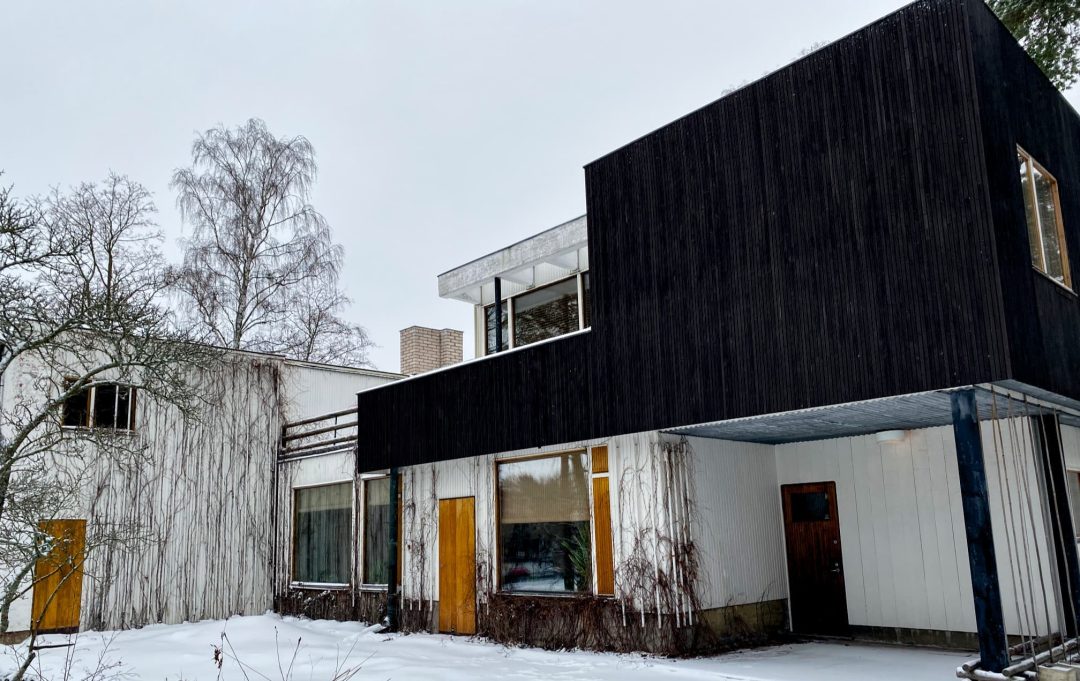
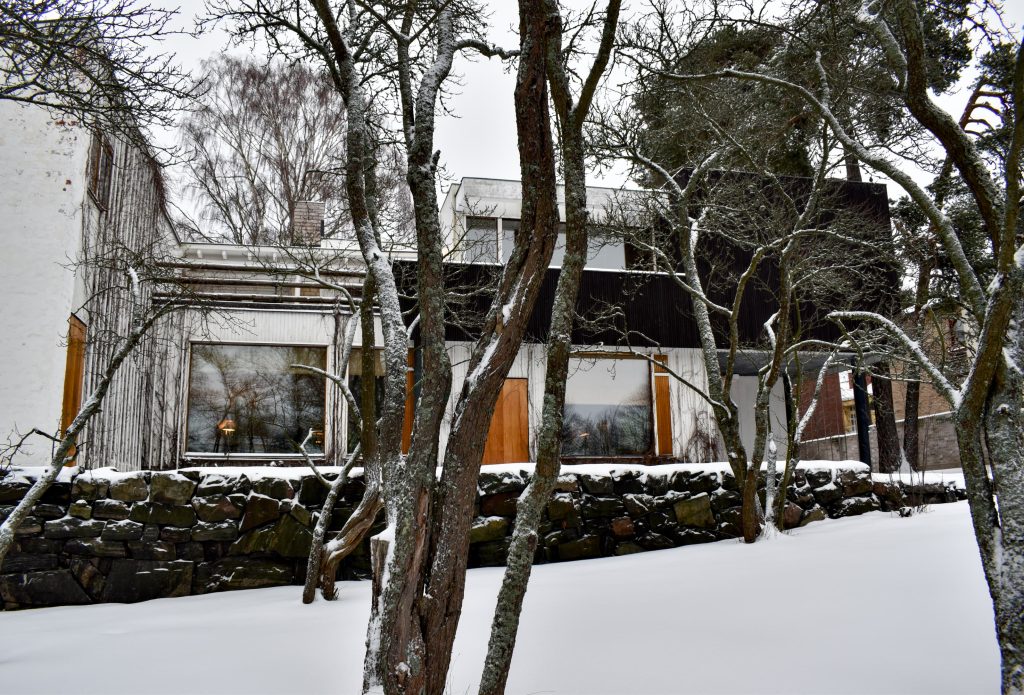
It had snowed the previous days, and the light on this January morning was as cold as the ambient air. In this quiet street in the Munkkiniemi neighborhood of Helsinki, Alvar Aalto’s house appeared, unpretentious, melting in the middle of a garden asleep for the winter. Designed in the 1930s, it was its place of life and work.
In fact, this house is the epitome of the work of Alvar Aalto and his wife and collaborator, Aino. Although it is, nonetheless, incredibly vibrant, in its false simplicity, it blows a wave of warmth, fluidity, and harmony. You feel right at home here, in the moment, and you only dream of curling up in those gently curved armchairs, watching the curiously warmed winter light filtering through the large bay windows, and listening to the Aaltos speaking about their creations. Here, they have realized, on an intimate scale, everything they have always advocated and that has defined their originality: a human-centered architecture.
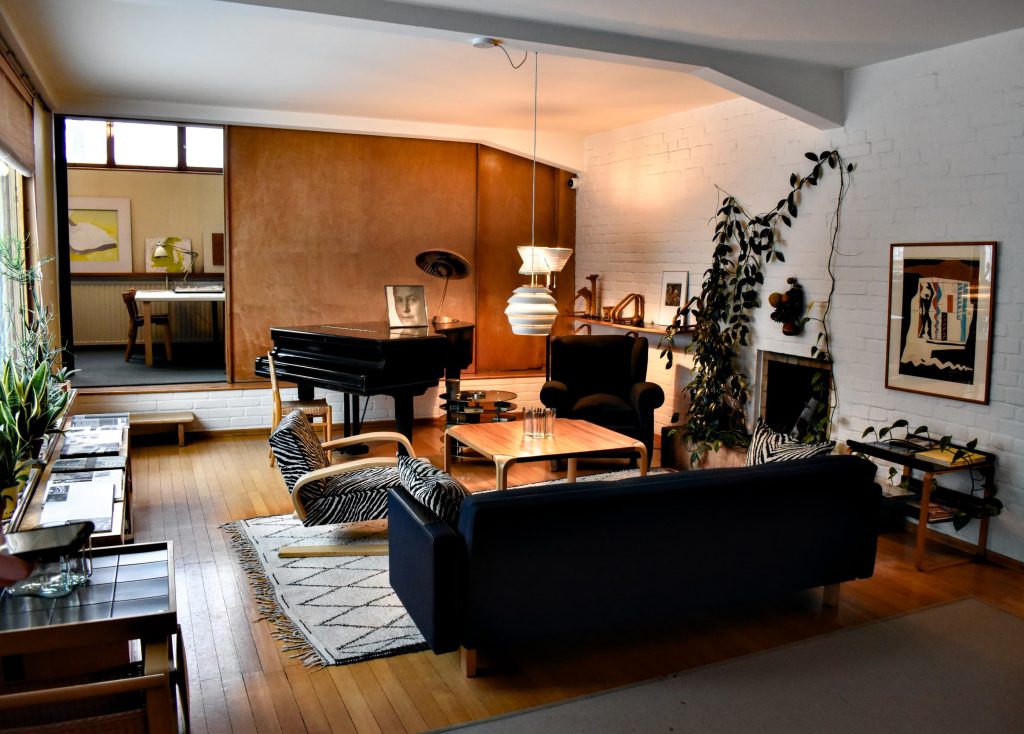
Let’s start by talking about Alvar Aalto, that architect “like no other,” who set sail on the great ship of modernism. Amid those seeking rational forms, he wanted to build homes that breathe, following the sun’s path, adapting to the whims of the terrain, and harmonizing with the imperfect logic of human life. As a Finn deeply attached to his country’s nature and craftsmanship, he sought to soften the sharpness of the new lines through the texture of materials—wood and brick in particular—the playful interplay of light, and the surrounding landscape.
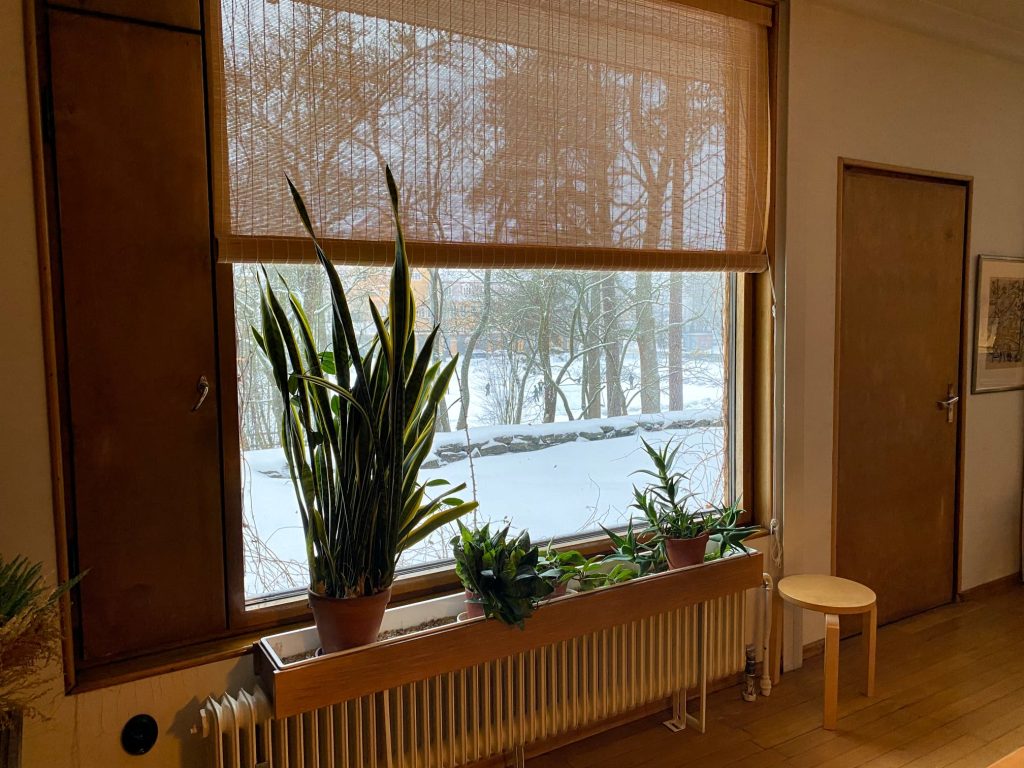
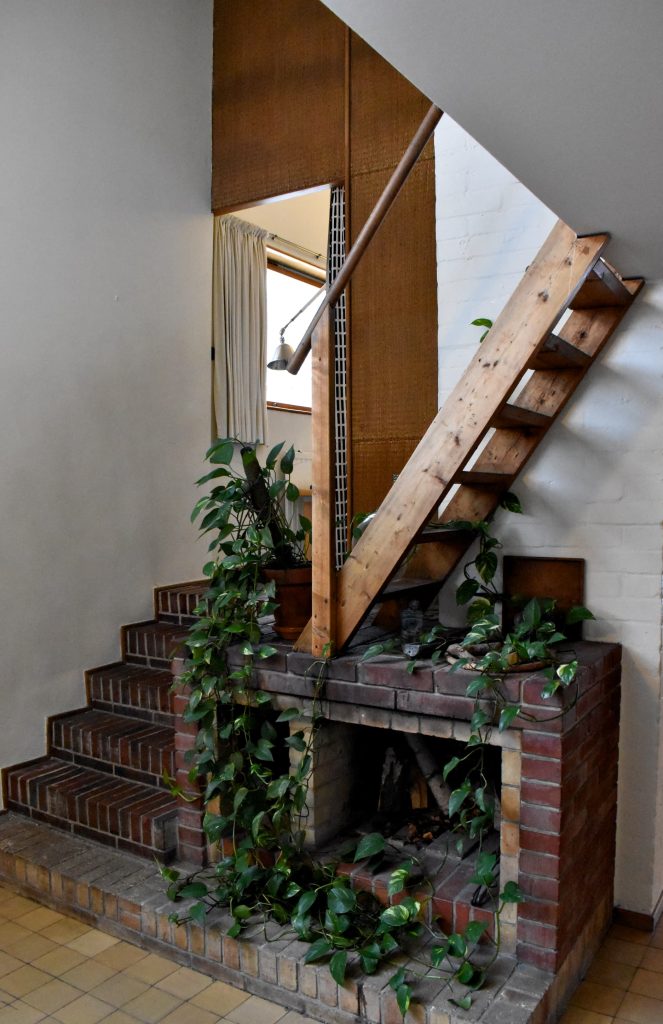
Above all, he had a specific goal: to meet the social and psychological needs of his contemporaries, whether in their homes, schools, healthcare facilities, or workplaces.
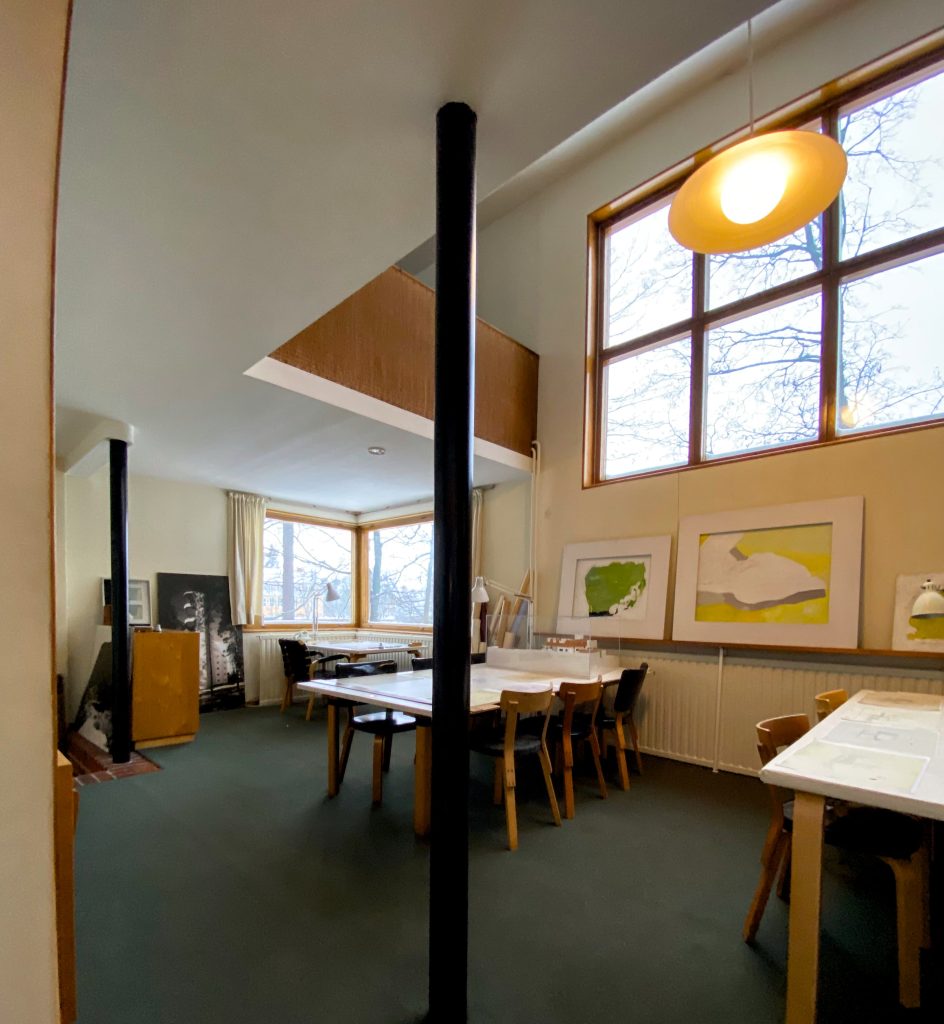
But it is difficult to speak of the architect in the singular. Aino, his first wife, who died too early, and Elissa, his second wife—both architects—were true professional partners. With them and their agency, Alvar has surrounded himself with talented people who share his values.
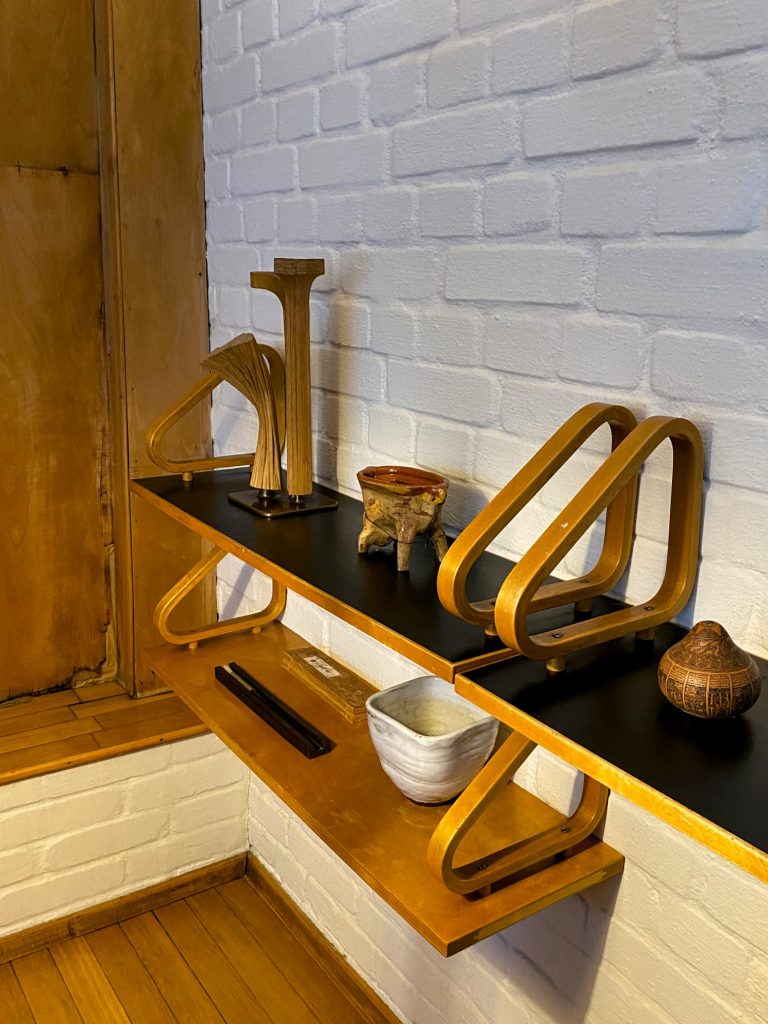
Especially since their philosophy was to design spaces so perfectly tailored to people’s needs that they even crafted the furniture, lighting, tableware, and even the doorknobs themselves.

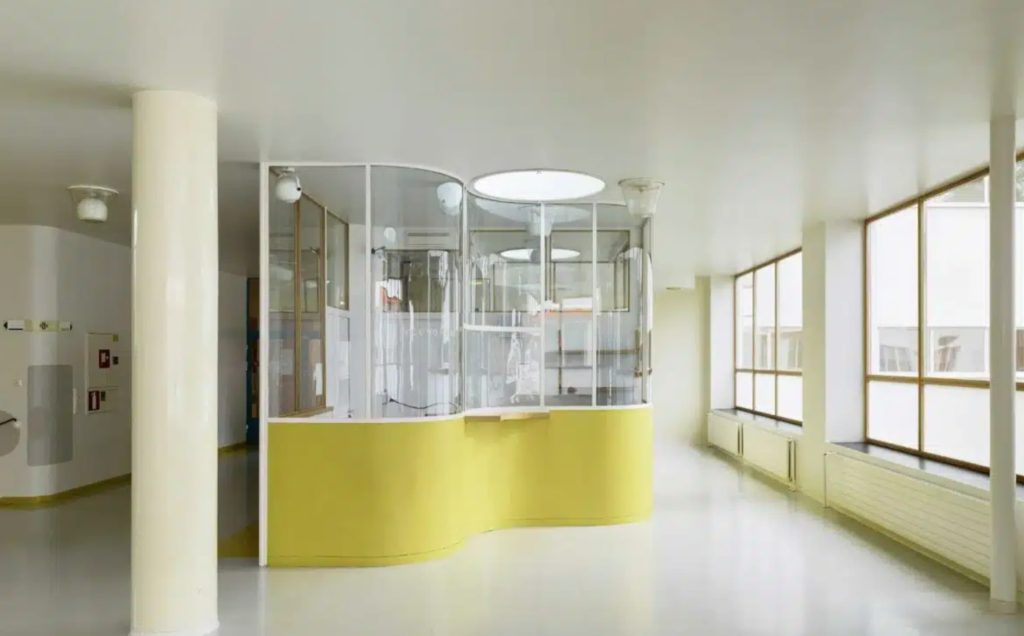
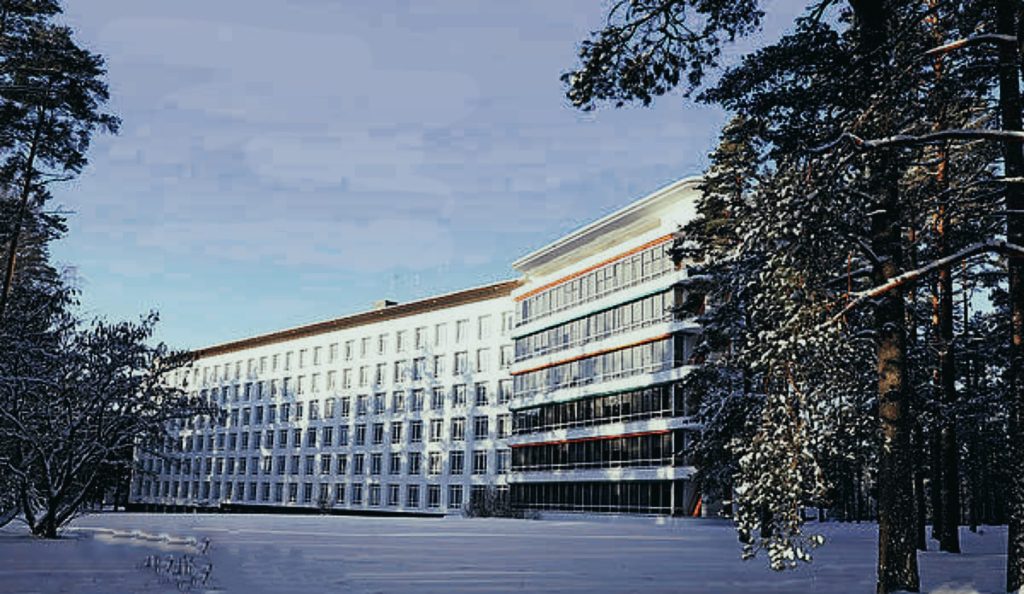
Their first truly spectacular building was the Paimio Sanatorium, designed in 1933 and located in the heart of a coniferous forest, 30 km from the city of Turku. At a time of severe public health crisis, when tuberculosis was rampant, it gave Alvar and Aino the opportunity to put their social and humanistic philosophy into practice. They view the building’s architecture as an integral part of patient care, just like the work of the medical team. It should provide emotional support and comfort, fostering a healing environment. Since Alvar had himself been hospitalized shortly before, he developed a concept of horizontal vision—as seen by someone lying in a bed or sitting in a chair. They thus designed the Paimio chair, which is semi-reclined, to help patients breathe more easily. In addition, the building follows the contours of the land and nestles within the pine forest to provide the maximum amount of light and ventilation needed for healing, as well as a palette of bright, cheerful colors that promote a positive mood. With this design, the Aaltos demonstrate that modern architecture can be effective and functional without losing its soul.

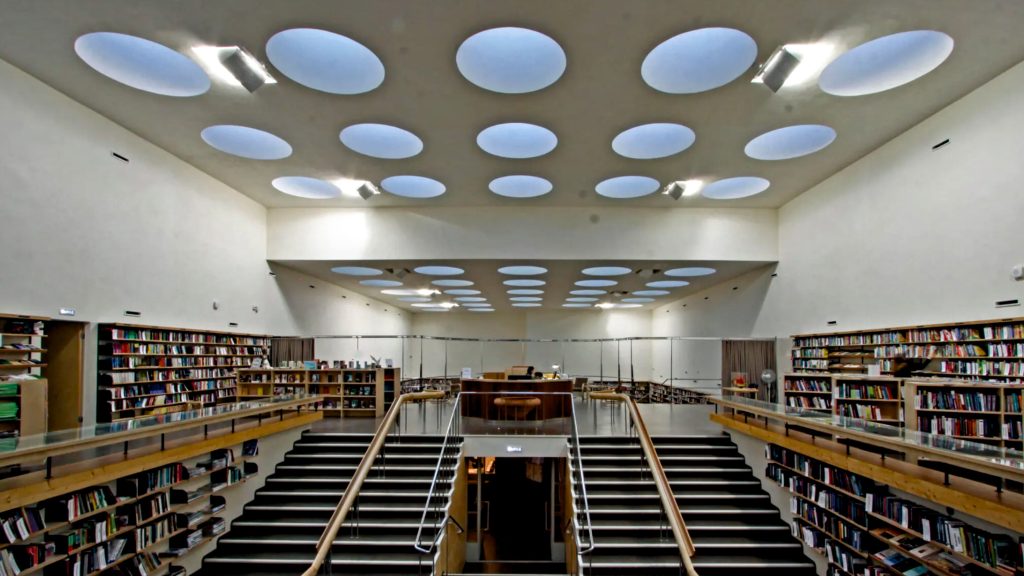
With the Viipuri Library in 1935, the Aaltos refined their approach to lighting, creating a reading room illuminated by 57 circular, conical skylights in the ceiling, designed so that sunlight would never enter directly. Each seat is thus bathed in soft, glare-free light. They also pay special attention to acoustics, demonstrating, once again, a genuine concern for the user’s needs and comfort.
This was followed by numerous other projects, including the Finnish Pavilion at the 1937 World’s Fair in Paris, which helped the Aaltos establish themselves on the international architectural scene, offering a breath of fresh air alongside the massive German Pavilion, crowned by an eagle clutching a swastika in its talons.
Whether designing private residences—modest or luxurious—or public and religious buildings, Alvar Aalto approached postwar reconstruction with a desire to restore dignity in the face of loss. He increasingly incorporated his humanistic ideals: people should feel welcome in a building.
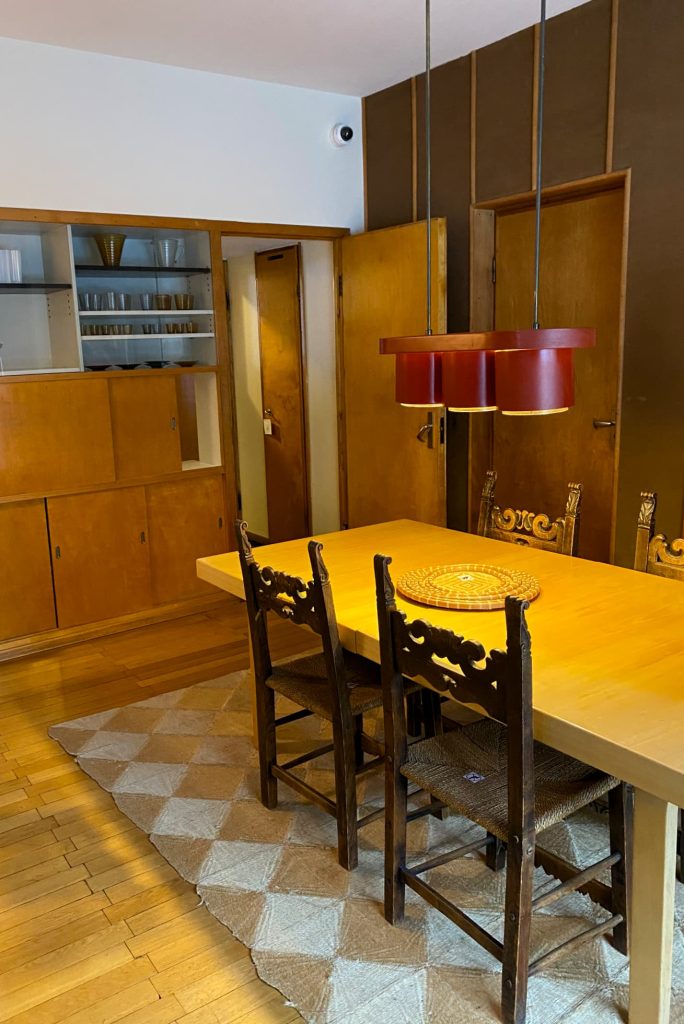
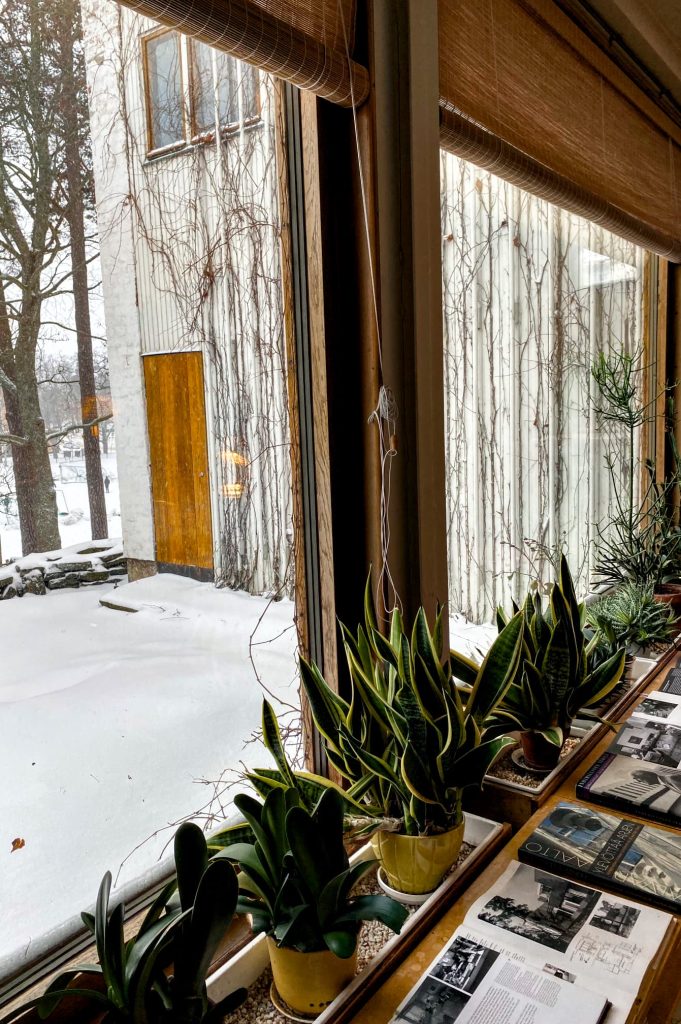
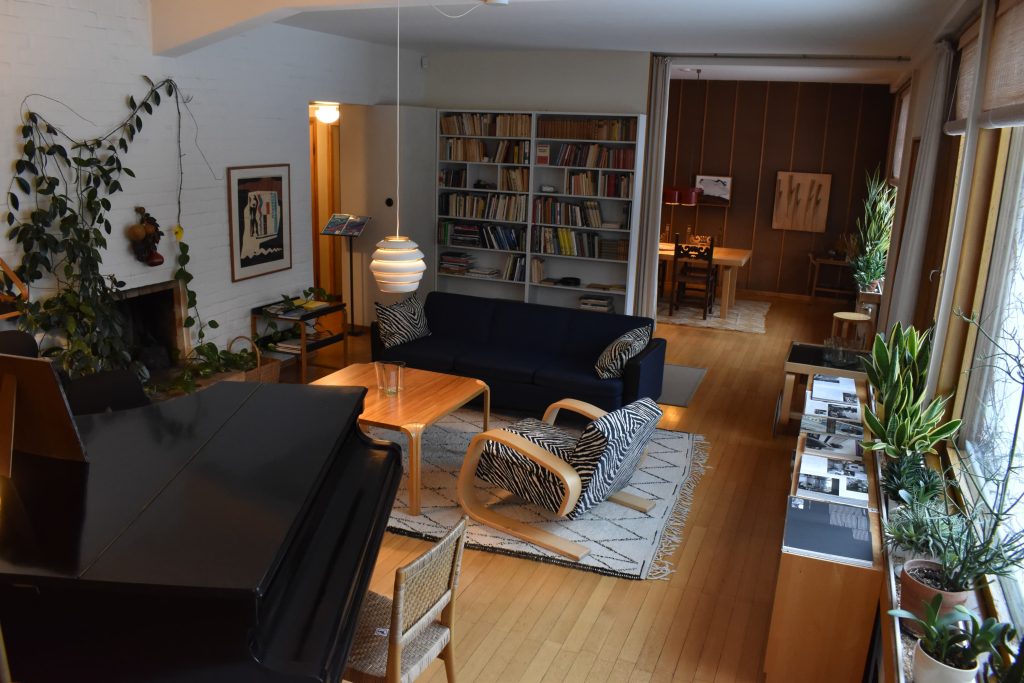
His architecture is a manifesto for living geometry, for fluid, organic forms that embrace the contours of the land, the wind and light, and the geology as much as the topography. He asks his collaborators to draw inspiration from biology, the arts, and everyday life. The idea is to infuse this flash of genius into the most practical or humble of objects, making them as warm and inviting as they are functional. His furniture, now iconic, is a prime example.
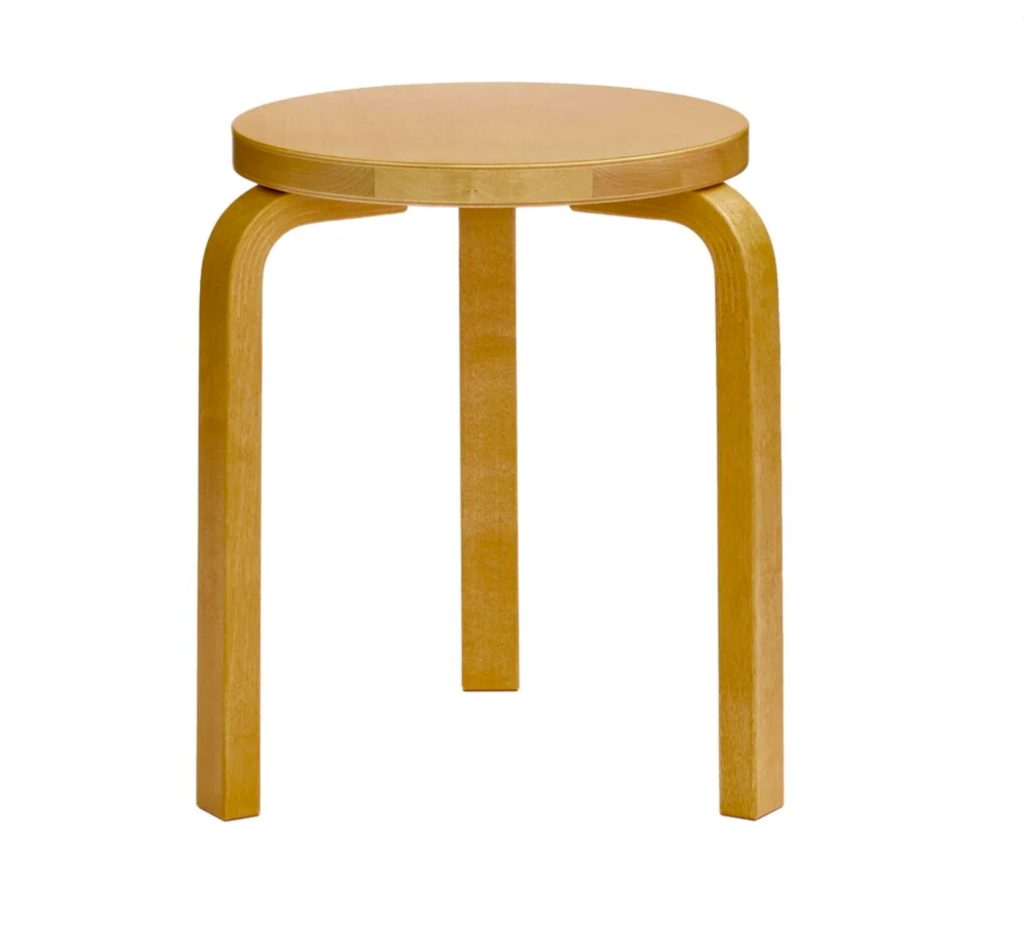

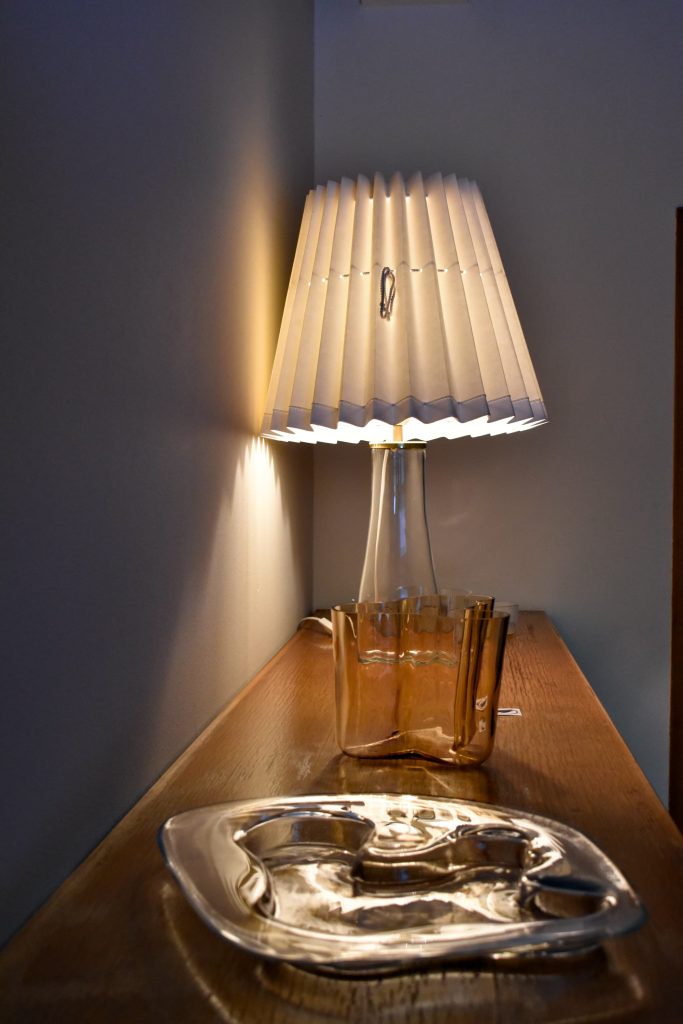
The famous three-legged “stool 60,” made entirely of birch with elegantly curved legs and originally designed for a library, has been copied countless times, and his wave-shaped vase, reminiscent of the lakes of Finland, is his trademark. Not to mention the lighting fixtures, a field in which Alvar and his team excel. Marketed under the ARTEK brand, which he founded in 1935 with Aino, these pieces follow the same principles as architecture: proportion, rhythm, and empathy.

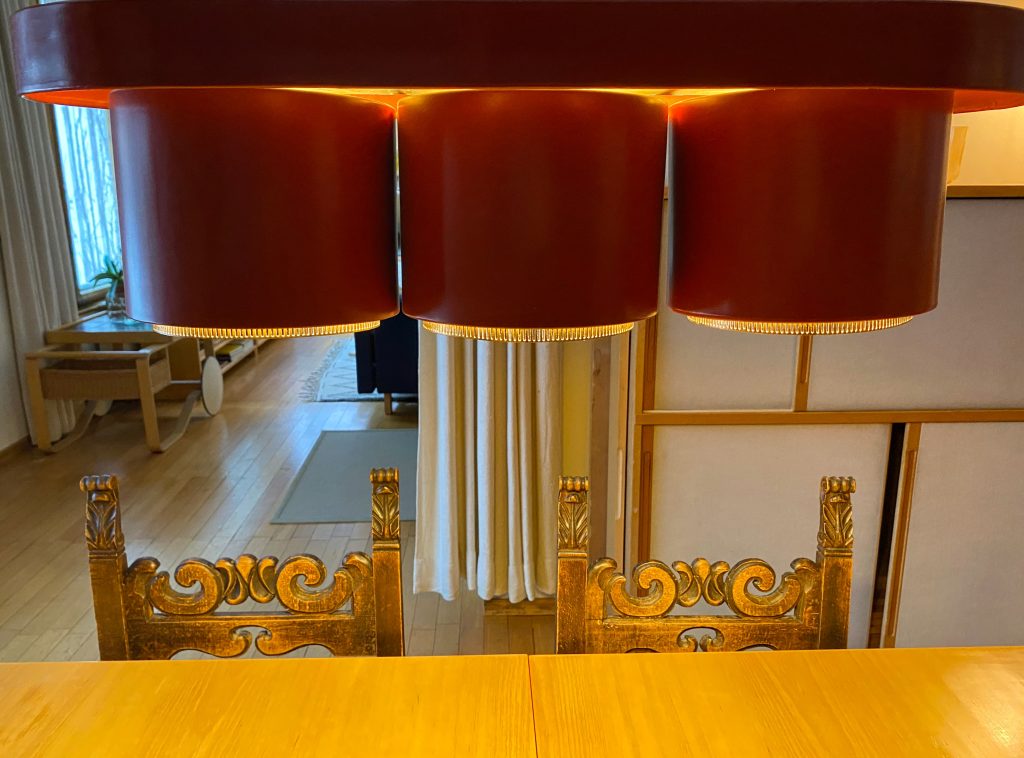
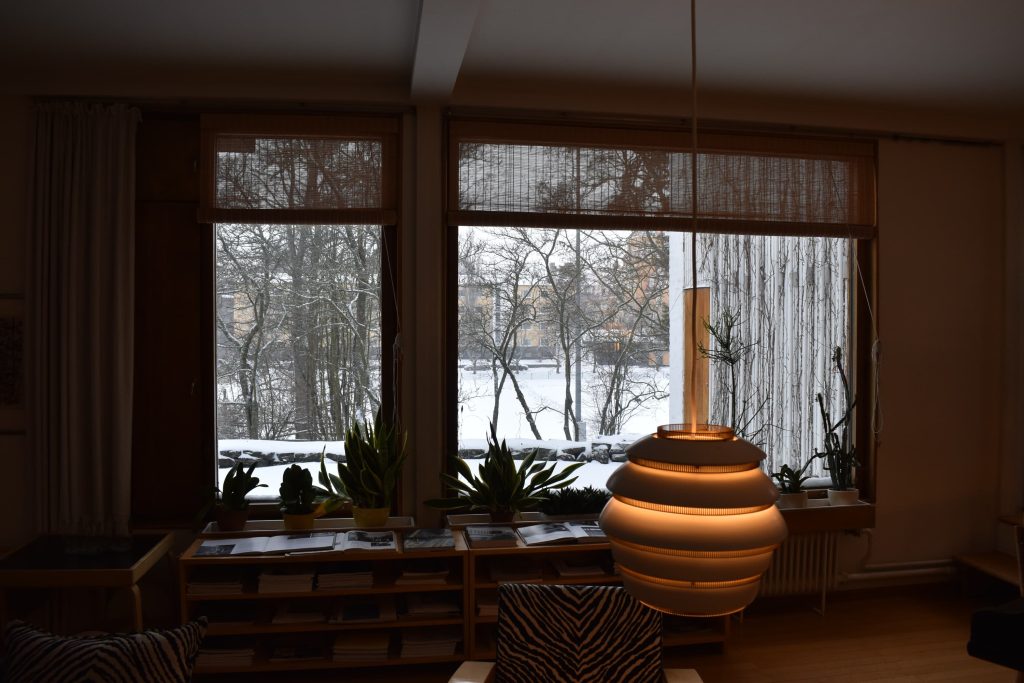
As we leave the Aalto House in Helsinki and step back into the biting winter cold, a realization hits us. These people have achieved the remarkable feat of harmonizing with the Scandinavian landscape while transforming it so that humans can find a comfortable place within it. This is how architecture can truly be a balm for the soul and the heart.
Text by Claudia Meyer; photos by Claudia and Regis MEYER.
MORE INFORMATION:
https://www.alvaraalto.fi/en/